
Your roof is one of the most important parts of your home, protecting everything beneath it from the elements. While many homeowners only think about their roof when a leak appears, routine roof inspections can help identify small problems before they turn into expensive repairs. If you’ve never had your roof professionally inspected, you may be wondering what the process involves.
Here’s what you can expect during a professional roof inspection.

A Visual Exterior Inspection
The first step is a thorough examination of your roof’s exterior. A roofing professional will inspect the overall condition of your roofing system, looking for signs of aging, weather damage, or wear and tear.
During this inspection, they may check for:
- Missing or damaged shingles
- Cracked or curling roofing materials
- Loose flashing around chimneys, vents, and skylights
- Signs of hail or wind damage
- Areas where water may be collecting
- Moss, algae, or debris buildup
Even issues that seem minor can lead to bigger problems if left untreated.
Examining Roof Flashing and Seals
Flashing is the metal material installed around roof penetrations and edges to prevent water from entering your home. Because these areas are common sources of leaks, inspectors pay close attention to their condition.
They’ll look for gaps, rust, loose sections, or deteriorating sealant that could allow moisture inside.
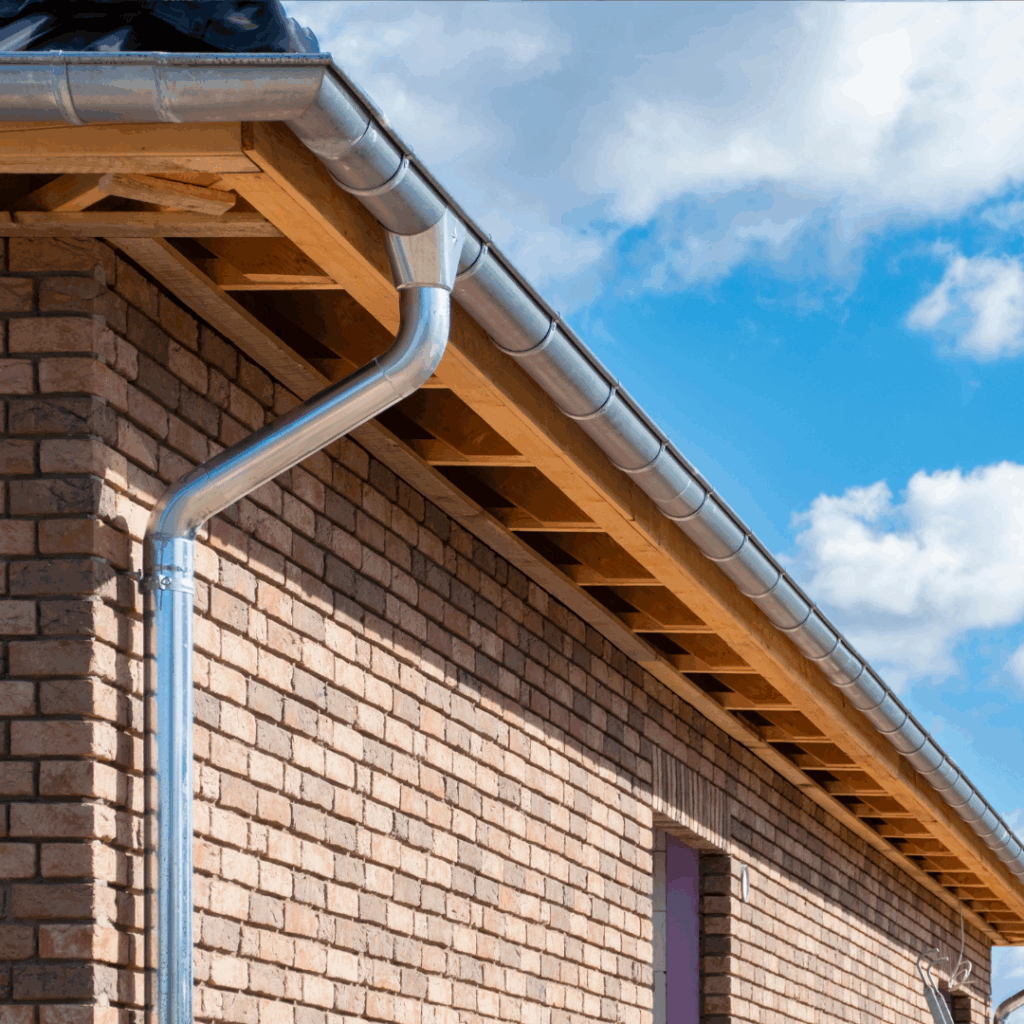
Checking Gutters and Drainage
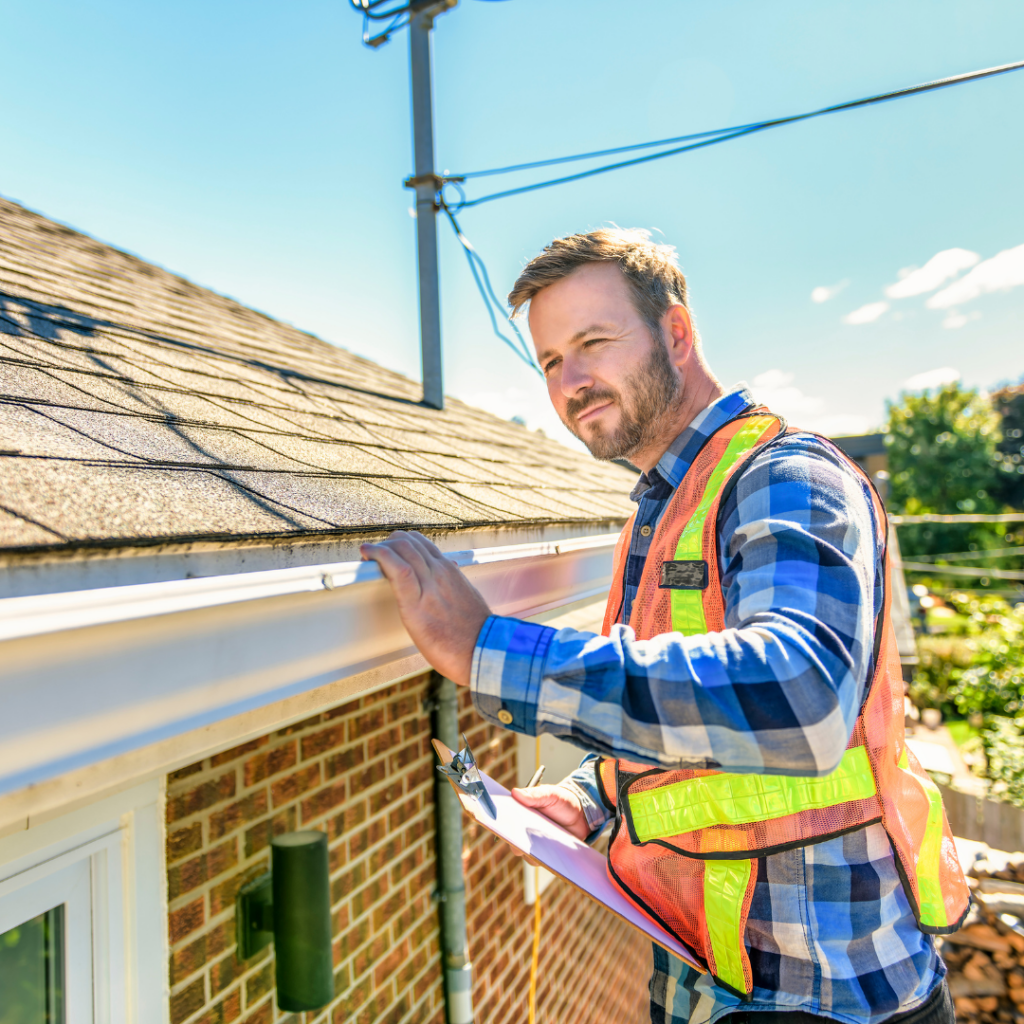
Your gutter system plays an important role in protecting your roof. During an inspection, professionals often evaluate whether gutters and downspouts are allowing water to drain properly.
They may look for:
- Clogs caused by leaves or debris
- Sagging gutter sections
- Improper drainage
- Granules from asphalt shingles collecting in gutters, which can indicate roof aging
Poor drainage can contribute to roof deterioration and even foundation issues over time.
Inspecting the Attic
A complete roof inspection often includes a look inside your attic. This allows inspectors to identify problems that may not be visible from outside.
Common signs they look for include:
- Water stains
- Mold or mildew
- Damp insulation
- Daylight shining through the roof decking
- Poor ventilation
These indicators can reveal hidden leaks or ventilation problems that affect both your roof and your home’s energy efficiency.
Looking for Structural Concerns
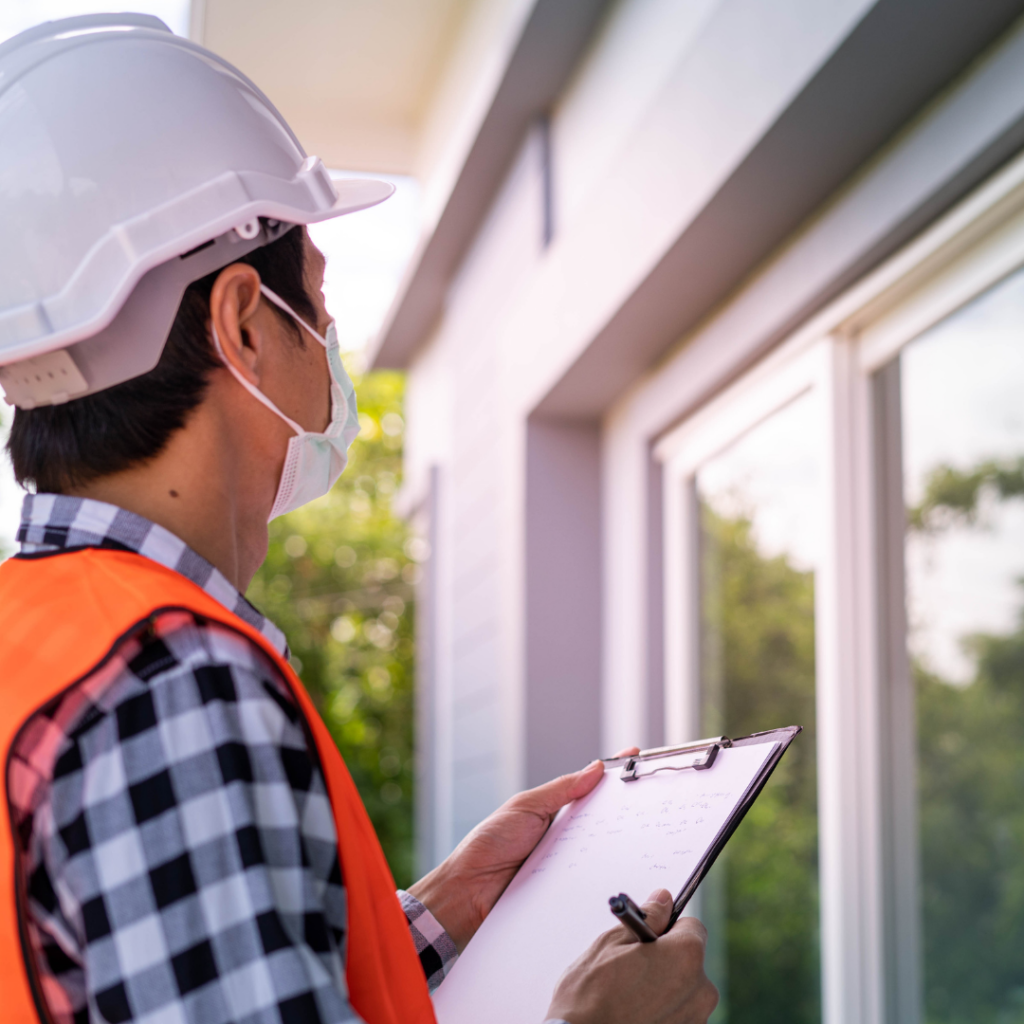
Inspectors also evaluate the overall structure of your roof. They check for sagging areas, uneven roof lines, or signs that the roof deck may have weakened over time.
Structural concerns are less common but should be addressed promptly to avoid more extensive damage.
If your area has recently experienced severe weather, a roof inspection can help uncover damage that may not be obvious from the ground.
High winds, hail, heavy snow, and falling branches can all impact your roof’s condition. Catching storm damage early may also make the insurance claims process easier if repairs are needed.
Receiving a Detailed Assessment
After completing the inspection, the roofing professional will typically provide a summary of their findings. This may include:
- Photos of any damaged areas
- An explanation of current issues
- Recommendations for repairs or maintenance
- An estimate of your roof’s remaining lifespan
If no significant issues are found, you’ll have added peace of mind knowing your roof is in good condition.
Protect Your Home with Regular Roof Inspections
Routine roof inspections are one of the simplest ways to extend the life of your roof and avoid unexpected repair costs. By identifying potential problems early, homeowners can make informed decisions about maintenance before small issues become major expenses.
Whether your roof is several years old or you’ve recently experienced severe weather, scheduling a professional inspection is a smart investment in protecting your home.
What Happens During a Professional Roof Inspection?
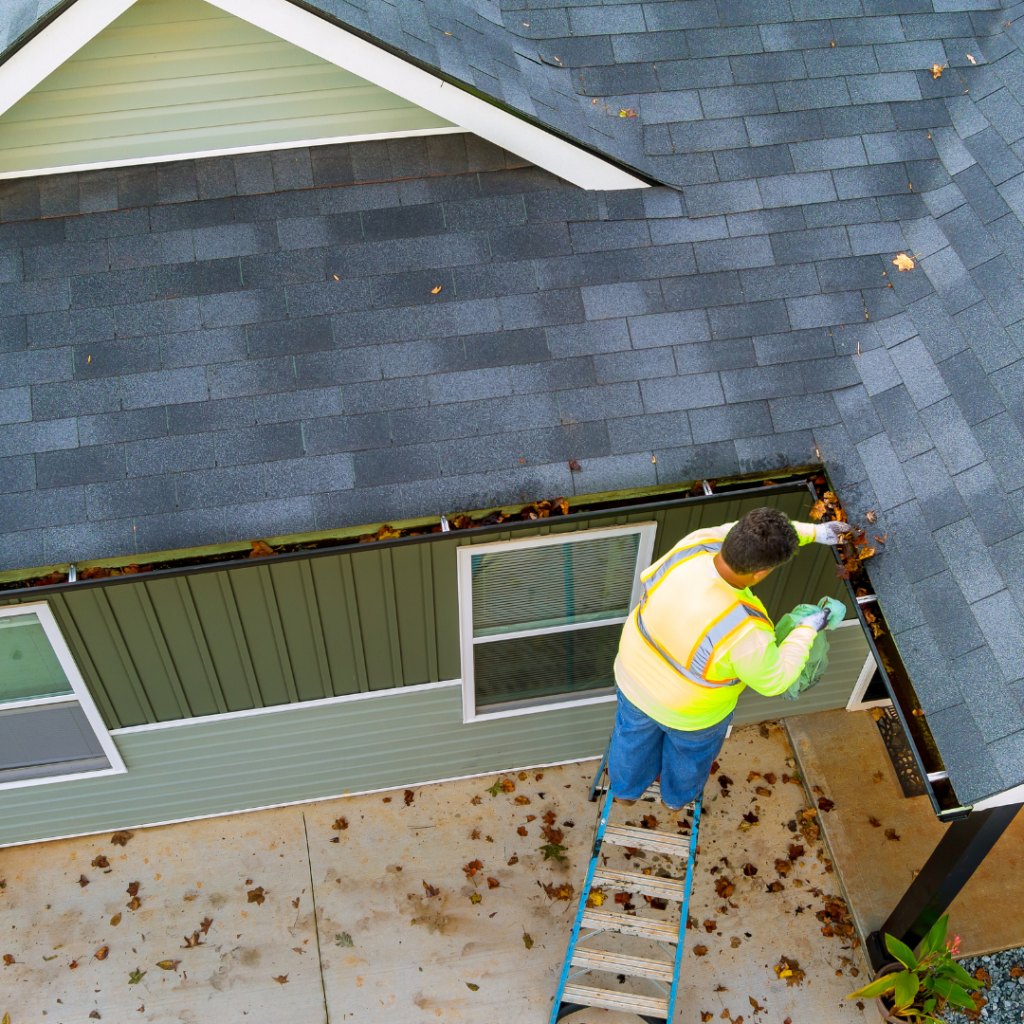
Your roof is one of the most important parts of your home, protecting everything beneath it from…
How Roof Color Impacts Energy Efficiency and Home Comfort
When choosing a new roof, most homeowners focus on materials and durability—but color plays a bigger role…
Gutter Maintenance Tips Every Homeowner Should Know
Gutters may not be the most noticeable feature of your home, but they play a critical role…