
roof replacement guide
Signs Your Roof Needs Help
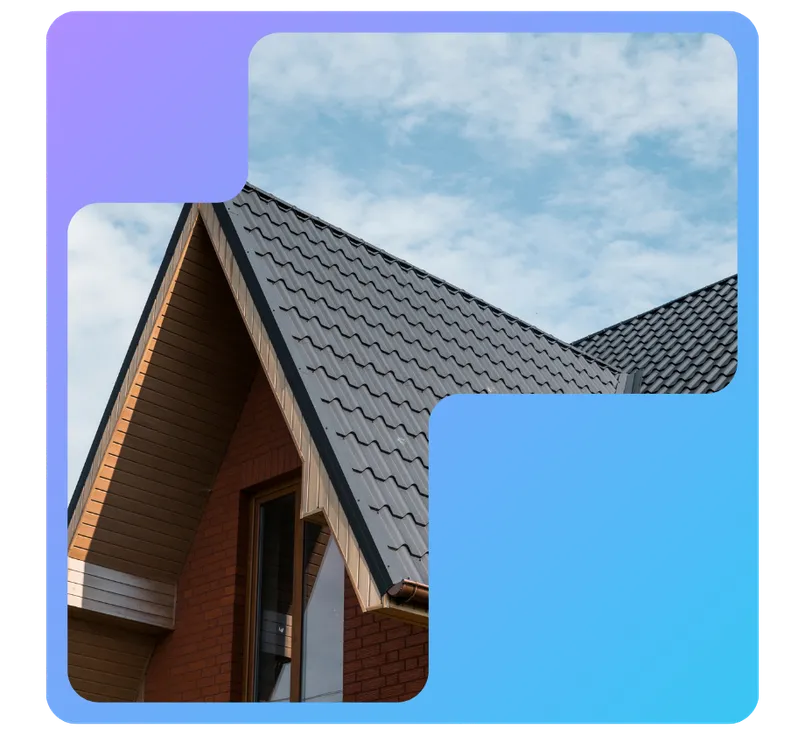
Knowing when to replace your roof is crucial to avoiding bigger problems. Roofs over 20 years old, or those with significant wear, should be evaluated by a professional to make sure your home stays well-protected.
Trusted Partners





Curling or cracked shingles
Persistent leaks
Sagging areas
20+ years old
01 — the basics
Understanding Your Roofing System
Your roof does more than cover your home — it protects, insulates, and supports your house's overall structure, with several layers and materials working together against rain, wind, and temperature swings.
Asphalt shingles
Affordable and widely used — a solid fit for most climates.
Metal roofing
Long-lasting and energy-efficient, ideal for extreme weather.
Clay tiles
Perfect for warm regions — durable and great at reflecting heat.
Wood shakes
A rustic look, though they ask for more upkeep over time.
Homes in harsher conditions often do best with durable materials like metal or tile, while milder climates leave more room to choose asphalt or wood on looks alone.
02 — How It's Built
How Your Roofing System Works
A roofing system isn't just what you see on the surface — it's a combination of layers, each with its own job to do.
01
Roof deck
The foundation of your roof, supporting every other layer.
02
Underlayment
A protective barrier that keeps moisture from reaching the deck.
03
Roofing material
The outer layer — shingles, metal, or tile — protecting your home and adding insulation.
04
Ventilation & insulation
Keeps airflow and temperature in check, preventing mold and moisture buildup.
Together, these layers keep your home safe, comfortable, and energy-efficient.
faq
Common Roofing Questions
A few of the questions homeowners ask us most often.
What are the essential parts of a roofing system?
Describe the item or answer the question so that site visitors who are interested get more information. You can emphasize this text with bullets, italics or bold, and add links.
How does a roof prevent leaks?
Describe the item or answer the question so that site visitors who are interested get more information. You can emphasize this text with bullets, italics or bold, and add links.
Why is proper ventilation important?
Describe the item or answer the question so that site visitors who are interested get more information. You can emphasize this text with bullets, italics or bold, and add links.
Which roofing materials are most energy-efficient?
Describe the item or answer the question so that site visitors who are interested get more information. You can emphasize this text with bullets, italics or bold, and add links.
What role does insulation play in my roof’s performance?
Describe the item or answer the question so that site visitors who are interested get more information. You can emphasize this text with bullets, italics or bold, and add links.
03 — by roof type
Exploring Roof Types
Different roof types serve different needs. Here's a breakdown of some of the most popular options.
| Roof type | Best for | Lifespan | Key benefits | Considerations |
|---|---|---|---|---|
| Asphalt shingles | Moderate climates | 15–30 years | Affordable, versatile | Shorter lifespan in extreme weather |
| Metal roofing | All climates | 40–70 years | Durable, energy-efficient | Higher initial cost |
| Tile roofing | Warm, dry areas | 50+ years | Long-lasting, low maintenance | Heavy — may need structural support |
| Flat roofs | Modern / commercial buildings | 10–20 years | Easy to maintain | Requires good waterproofing |
| Wood shakes | Mild, dry regions | 20–40 years | Eco-friendly, great insulation | Needs regular maintenance |
Other roof types include green roofs, rubber roofing, and specialized designs like gable and hip roofs. The best choice for your home comes down to budget, style, and local climate.
Home Improvement Resources
Not finished learning about Roofing? Start here.
Roofing
Roofing Materials
roofing
Roofing FAQs
Ready When You Are
Consider Roofing Material Options
Asphalt shingles are the most common thanks to their affordability and durability. Metal roofing offers long-lasting protection and energy efficiency, while clay or concrete tile brings a classic, weather-resistant option. For something more sustainable, slate or wood shakes add natural beauty and longevity. The best material for your roof comes down to your budget, climate, and desired look.
ready to transform your home?
Start to Finish, Homealytic Powers Your Home Projects
Join us on this journey, and let's build better homes together.

Tell us about your project and we'll connect you with vetted, top-rated contractors near you. It's free, it's fast, and there's zero pressure to hire anyone.
SMS Messaging Program: By opting in via our web forms, you consent to receive text messages from Homealytic related to your home service request, including appointment confirmations and project updates. Message frequency varies but will not exceed 2 messages per month unless you request more frequent updates. Message and data rates may apply — standard rates charged by your mobile carrier may apply to each message sent or received, depending on your plan. You may opt out at any time by replying STOP to any message. For help, reply HELP or contact us at [email protected] or 1-833-310-7931. Carriers are not liable for delayed or undelivered messages; delivery is not guaranteed and depends on carrier network availability, device compatibility, and other factors outside our control. Supported carriers include AT&T, T-Mobile, Verizon, Sprint, Boost, US Cellular, and others. See full details in our SMS Terms and Privacy Policy.
© 2026 Homealytic. All rights reserved.
We use your info only to fulfill your project request