
Replacing your roof may seem like a purely structural or aesthetic upgrade, but it can also be a smart energy-saving investment. A new roof can significantly improve your home’s energy efficiency by providing better insulation, ventilation, and heat reflection. If your energy bills have been increasing, your aging roof may be a contributing factor. By upgrading to modern roofing materials and enhancing your home’s thermal performance, you can lower long-term energy costs and enhance indoor comfort.
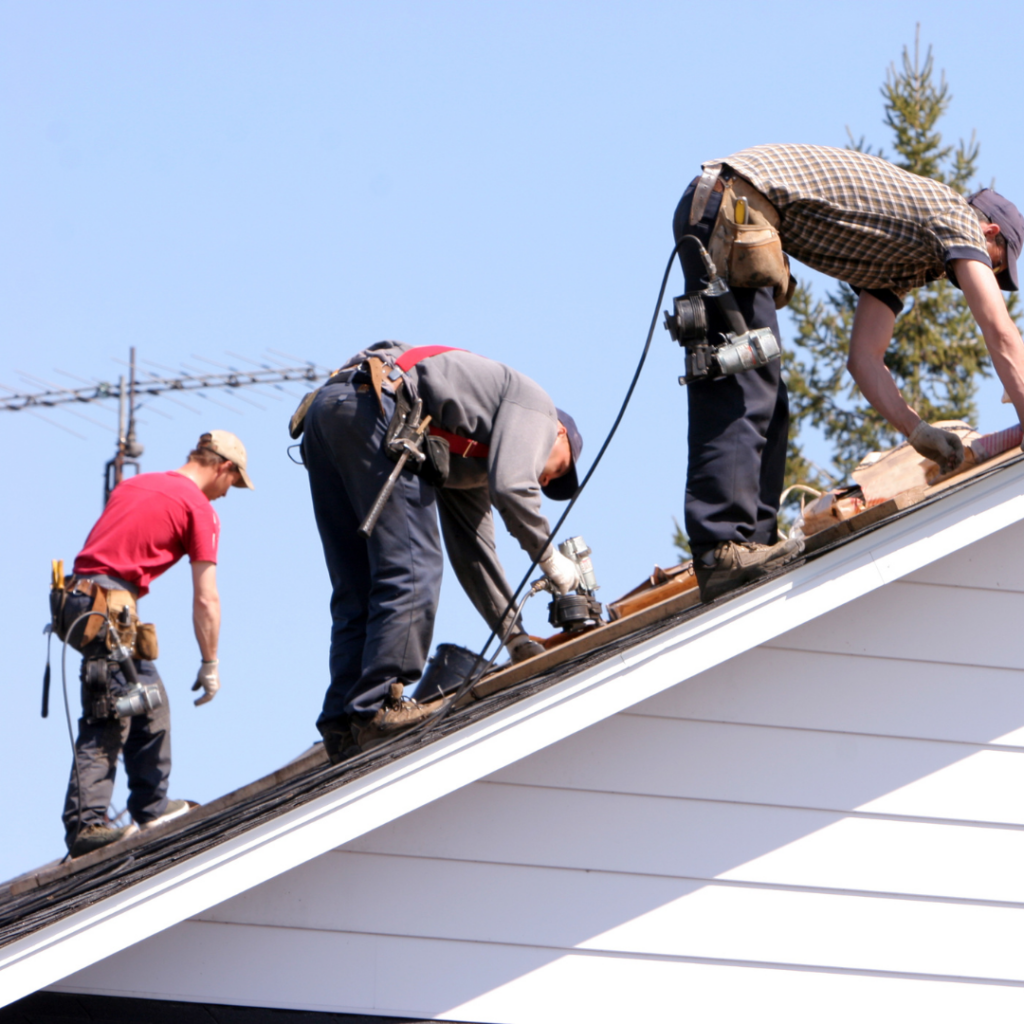
Improved Insulation and Ventilation
Modern roofing systems are designed with efficiency in mind. When combined with proper attic insulation and ventilation, a new roof can help regulate indoor temperatures year-round. Cooler summers and warmer winters mean your HVAC system won’t have to work as hard, lowering your monthly energy use. This balance in temperature control can also extend the life of your HVAC system by reducing strain on the equipment. During a re-roof, contractors often evaluate attic airflow, ensuring intake and exhaust vents work together to minimize moisture and maximize thermal efficiency.
Energy-Efficient Roofing Materials
Today’s roofing materials are built to reflect heat instead of absorbing it. Options like cool roof shingles, metal panels with reflective coatings, and light-colored tiles can significantly reduce heat gain from the sun. This helps keep your attic and home cooler during the summer months, cutting back on air conditioning costs. Some cool roofing materials can reflect up to 70% of solar heat, making a noticeable difference on your utility bill. In hot climates especially, energy-efficient roofing can pay for itself over time.
Sealing Air Leaks and Preventing Moisture Damage
An older roof can develop cracks, gaps, or damage that allow air and moisture to enter your home. A new roof creates a tighter, more efficient seal, reducing unwanted air exchange. This not only boosts comfort but also improves the performance of your insulation and ventilation systems. Reduced moisture intrusion also protects your attic and ceiling materials from rot, mold, and insulation degradation. Sealing your roofline enhances your home’s overall energy envelope and lowers heating and cooling losses.
Added Bonus: Potential Tax Credits and Rebates
Some roofing materials that meet ENERGY STAR® standards may qualify for federal or local energy efficiency incentives. These can help offset the upfront cost of your new roof while providing long-term energy savings. Be sure to ask your roofing contractor about available rebates in your area. In many cases, combining tax incentives with utility savings makes a new energy-efficient roof even more cost-effective. These financial benefits can make your investment more appealing both now and in the future.
If your roof is nearing the end of its life, replacing it could do more than protect your home—it could start paying you back in energy savings. With the right materials, proper ventilation, and professional installation, a new roof is one of the smartest steps you can take toward a more efficient and comfortable home.
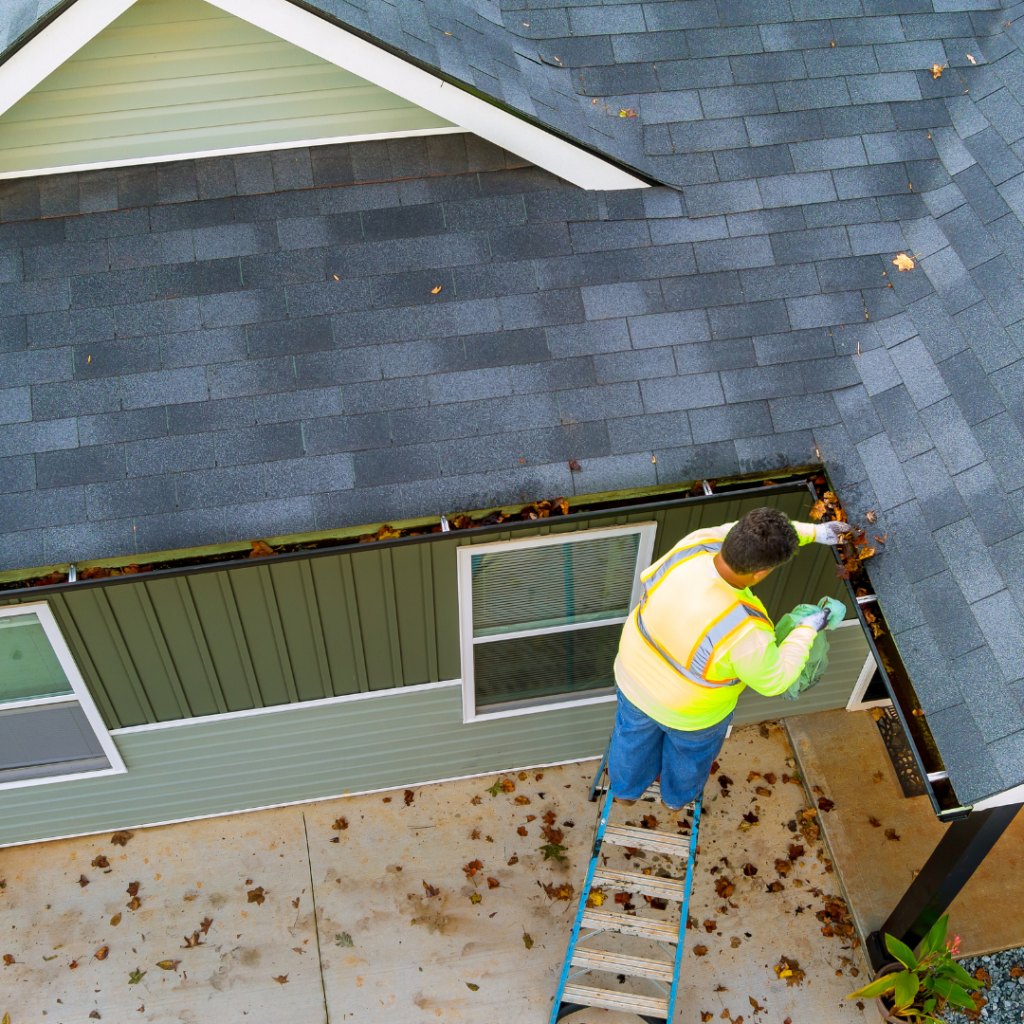
What Happens During a Professional Roof Inspection?
Your roof is one of the most important parts of your home, protecting everything beneath it from…
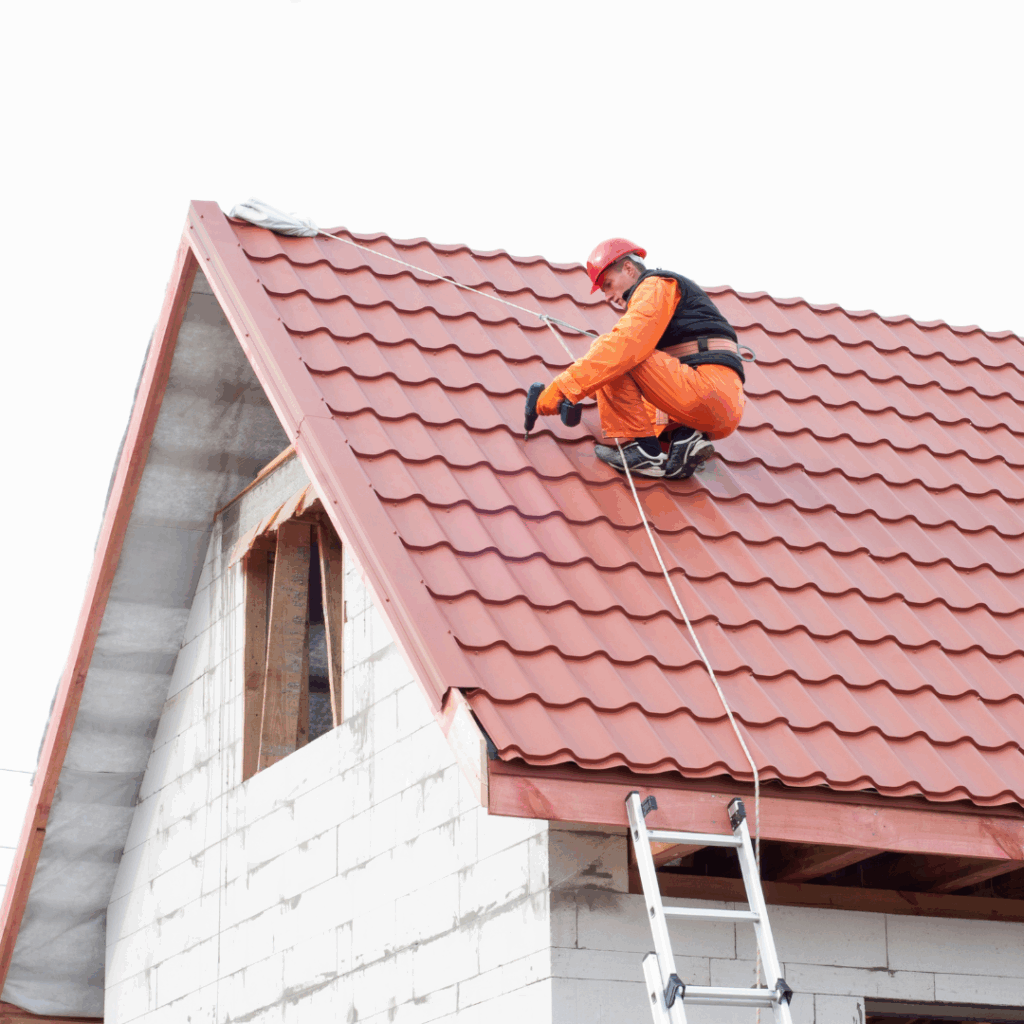
How Roof Color Impacts Energy Efficiency and Home Comfort
When choosing a new roof, most homeowners focus on materials and durability—but color plays a bigger role…
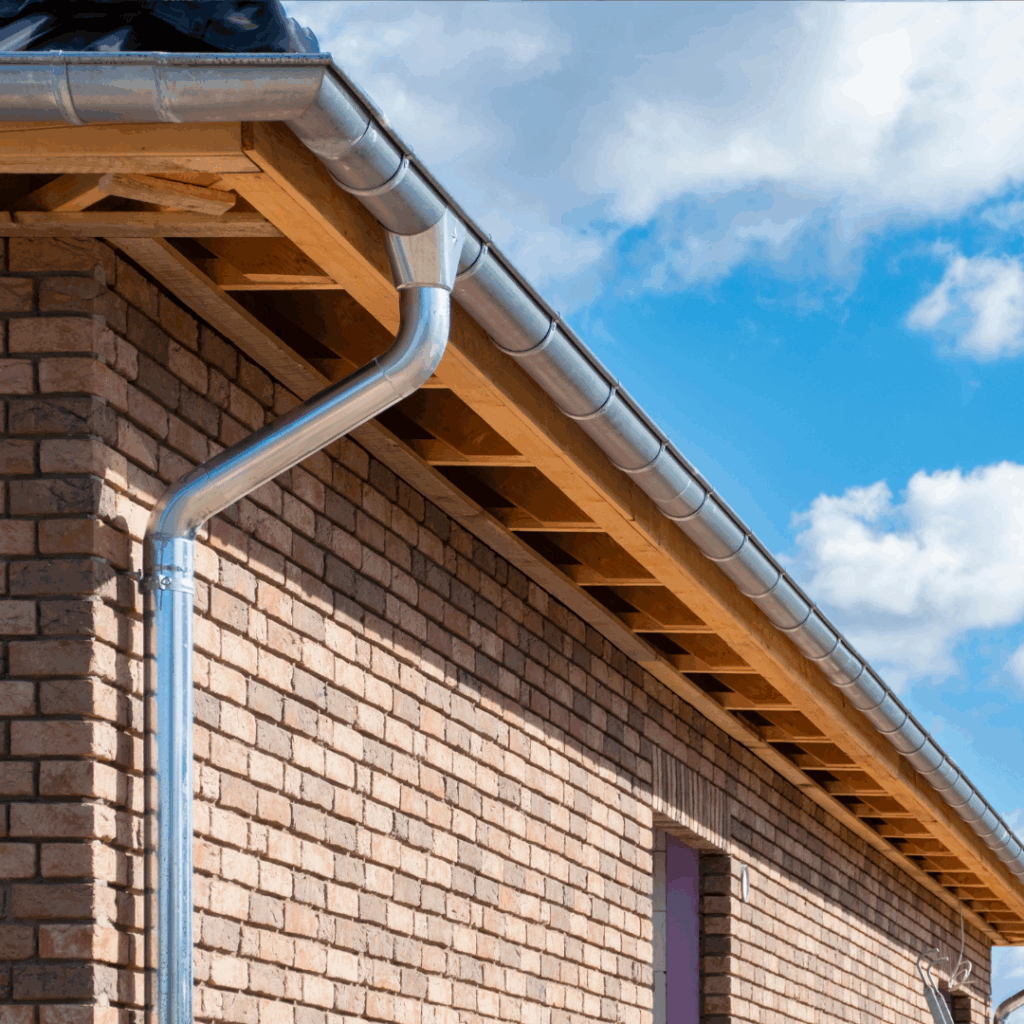
Gutter Maintenance Tips Every Homeowner Should Know
Gutters may not be the most noticeable feature of your home, but they play a critical role…