
If you’re considering solar panels, you’ve likely heard the term net metering. While it may sound technical, net metering is actually a simple and powerful concept that helps homeowners save money on energy bills. It allows you to earn credit for the extra electricity your solar system produces and sends back to the grid. Understanding how net metering works can help you see the full financial benefits of going solar.

What Is Net Metering?
Net metering is a billing system that allows homeowners with solar panels to receive credit for the excess electricity they generate. During the day, your solar panels often produce more energy than your home uses. Instead of wasting that extra power, it is sent back to the utility grid. In return, your utility company gives you credits that can be used later when your system isn’t producing enough energy, such as at night or on cloudy days. This creates a balance between the energy you produce and the energy you consume.
How the Credit System Works
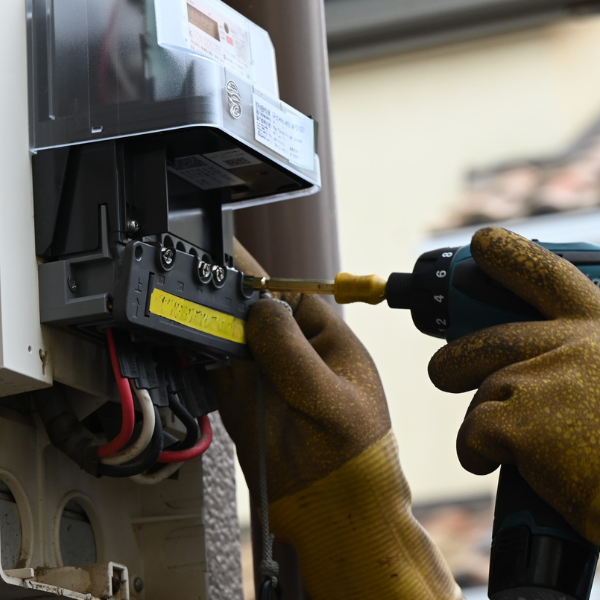
With net metering, your utility meter tracks both the electricity you use and the electricity your solar panels send back to the grid. When your system produces more energy than you need, your meter essentially “runs backward,” earning you credits. Later, when you draw electricity from the grid, those credits are applied to offset your usage. In many cases, this means you only pay for your “net” energy consumption—the difference between what you use and what you produce over a billing period.

Why Net Metering Matters for Savings
Net metering is one of the biggest reasons solar energy is financially attractive for homeowners. Without it, excess energy produced during the day would go unused, limiting your potential savings. With net metering, every bit of energy your system generates has value. This can significantly reduce—or even eliminate—your monthly electricity bill, depending on the size of your system and your energy usage. Over time, these savings can add up to thousands of dollars.
Differences by Location and Utility
It’s important to understand that net metering policies can vary depending on where you live and which utility company you use. Some programs offer full retail credit for excess energy, while others provide a slightly reduced rate. There may also be limits on how much energy you can send back to the grid or how credits are carried over month to month. Because of these differences, it’s a good idea to review your local net metering policies before installing solar panels.
Net Metering vs. Battery Storage
While net metering allows you to use the grid like a virtual battery, some homeowners choose to install solar battery storage systems instead. Batteries store excess energy on-site so you can use it later without relying on the grid. While this can provide greater energy independence, it typically comes with a higher upfront cost. Net metering, on the other hand, offers a cost-effective way to maximize your solar investment without additional equipment.
The Bottom Line
Net metering is a key benefit of solar energy that allows homeowners to get the most out of their system. By earning credits for excess electricity, you can reduce your energy bills, improve your return on investment, and make solar power even more practical. Understanding how net metering works helps you make informed decisions and ensures you take full advantage of the savings solar has to offer.

Net Metering Explained: How You Get Credit for Solar Energy
If you’re considering solar panels, you’ve likely heard the term net metering. While it may sound technical,…

Signs Your Windows Are Costing You Money
Windows play a bigger role in your home’s energy efficiency than many homeowners realize. While they provide…

How to Spot Early Signs of Gutter Failure
Your gutters play a critical role in protecting your home from water damage, yet they’re often overlooked…