
When homeowners consider improving energy efficiency, windows are often overlooked in favor of larger upgrades, such as HVAC systems or insulation. However, windows play a surprisingly large role in how much energy your home consumes every day. Old or poorly sealed windows allow conditioned air to escape and outdoor air to seep in, forcing your heating and cooling systems to work harder than necessary. This not only increases your monthly bills but also puts extra strain on your equipment. Investing in new, energy-efficient windows can make a significant difference in both comfort and cost savings. But just how much can you expect to save on your energy bills? Let’s take a closer look.
The Impact of Old Windows on Energy Loss
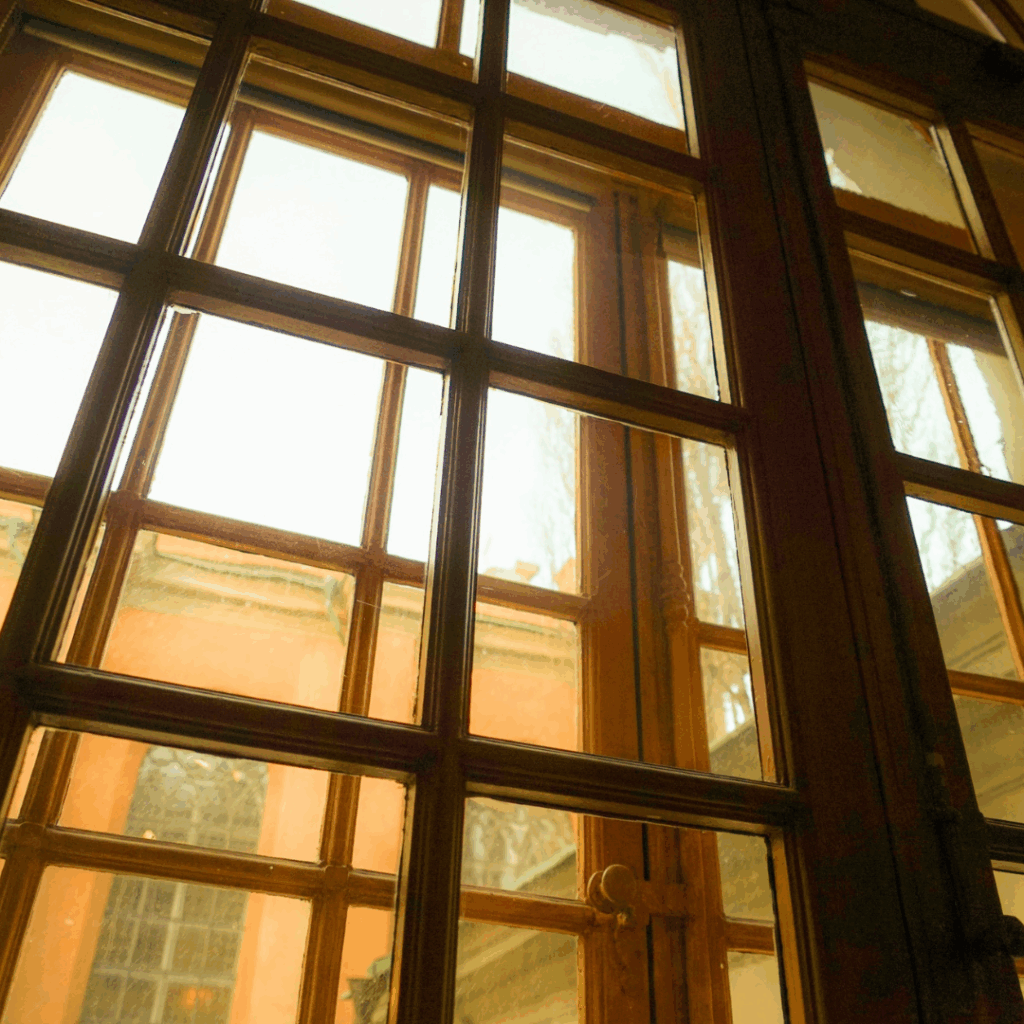
If your home still has single-pane windows or outdated double-pane windows, chances are you’re losing a considerable amount of energy. Older windows often lack advanced glazing, proper sealing, or insulated frames, all of which are critical to maintaining indoor comfort. Drafts around the edges, broken seals, or thin glass panes let warm air escape in winter and hot air creep inside during summer. Even if the problem seems small, these inefficiencies force your HVAC system to cycle more frequently, driving up your utility bills month after month. Studies suggest that old or inefficient windows can be responsible for up to 25–30% of a home’s heating and cooling energy use. Over time, that’s a huge amount of wasted money.
Energy Savings with Modern Windows
Today’s modern windows are designed with energy efficiency in mind. Many feature double or triple glazing, low-E coatings that reflect heat, gas-filled panes for insulation, and tight seals that minimize air leaks. According to the U.S. Department of Energy, homeowners who replace single-pane windows with ENERGY STAR® certified models can save an average of 12% on their energy bills annually. In real numbers, that’s often between $100 and $500 per year, depending on the size of your home, the climate you live in, and your current energy costs. Over the lifespan of new windows—which can last 20 years or more—these savings add up to thousands of dollars. Beyond direct savings, the reduced workload on your HVAC system can also extend its lifespan, saving you on costly repairs or replacements down the road.
Additional Benefits Beyond Energy Savings
While saving money on energy bills is a strong motivator, new windows offer plenty of additional benefits that make them worth considering. Modern windows are designed to improve indoor comfort by reducing drafts and creating more consistent room temperatures. Many high-quality models include coatings that block harmful UV rays, helping protect furniture, flooring, and décor from fading over time. They can also reduce outside noise, making your home quieter and more peaceful. On top of that, updated windows can dramatically enhance curb appeal, giving your home a fresh, modern look. These improvements don’t just make daily living more enjoyable—they also make your property more attractive to potential buyers, boosting resale value.
Long-Term Return on Investment
Window replacement does require an upfront investment, but the long-term returns often outweigh the initial cost. When you factor in consistent annual savings on energy bills, increased comfort, and higher home value, new windows essentially pay for themselves over time. Many homeowners see window upgrades as both a financial and lifestyle investment, as they make living spaces more efficient and enjoyable while also supporting sustainability goals. In addition, depending on your location, you may qualify for rebates, tax credits, or incentives for installing ENERGY STAR® certified windows, which can lower the cost even further. By viewing new windows as a long-term investment rather than just an expense, you’ll see how they provide both immediate and lasting benefits.
What Happens During a Professional Roof Inspection?
Your roof is one of the most important parts of your home, protecting everything beneath it from…
How Roof Color Impacts Energy Efficiency and Home Comfort
When choosing a new roof, most homeowners focus on materials and durability—but color plays a bigger role…
Gutter Maintenance Tips Every Homeowner Should Know
Gutters may not be the most noticeable feature of your home, but they play a critical role…