
Your gutters play a critical role in protecting your home from water damage, yet they’re often overlooked until a major problem arises. When gutters fail, the effects can spread quickly—impacting your roof, siding, foundation, and even your landscaping. The good news is that gutter problems rarely happen overnight. By learning to recognize the early warning signs of gutter failure, you can address small issues before they turn into costly repairs.
Visible Cracks or Splits
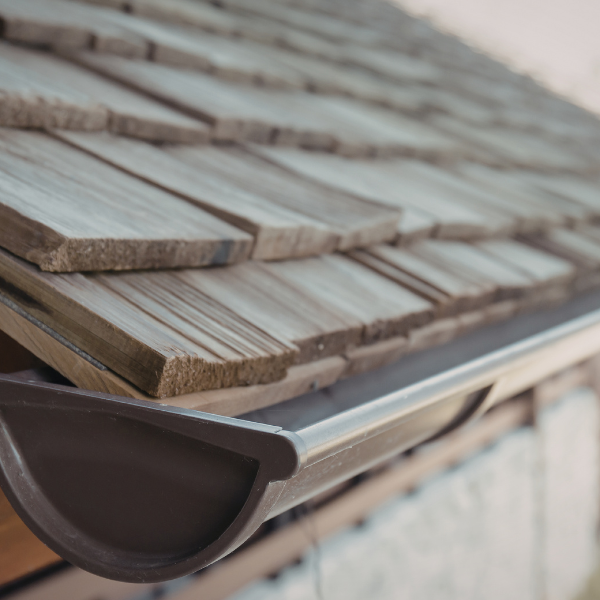
One of the earliest and most obvious signs of gutter failure is the presence of cracks or splits. These may start small but can expand over time due to weather exposure and temperature changes. Even minor cracks can allow water to leak through and damage areas below, including fascia boards and siding. If left untreated, these small issues can quickly escalate into sections of the gutter breaking apart entirely.
Sagging or Pulling Away from the Roof
Gutters should sit snugly against your home’s roofline. If you notice them sagging or pulling away, it’s a sign that they’re no longer properly supported. This can happen due to loose fasteners, excess weight from debris, or water buildup. Sagging gutters not only reduce proper water flow but also increase the risk of complete detachment during heavy rain or snow.
Water Overflow During Rain
If water spills over the sides of your gutters during rainfall, it’s a clear sign that something isn’t working properly. Overflow is often caused by clogs from leaves, dirt, or debris, but it can also indicate improper pitch or undersized gutters. When water isn’t directed through the system as intended, it can pool around your foundation or seep into your roofline, leading to long-term damage.
Peeling Paint or Rust
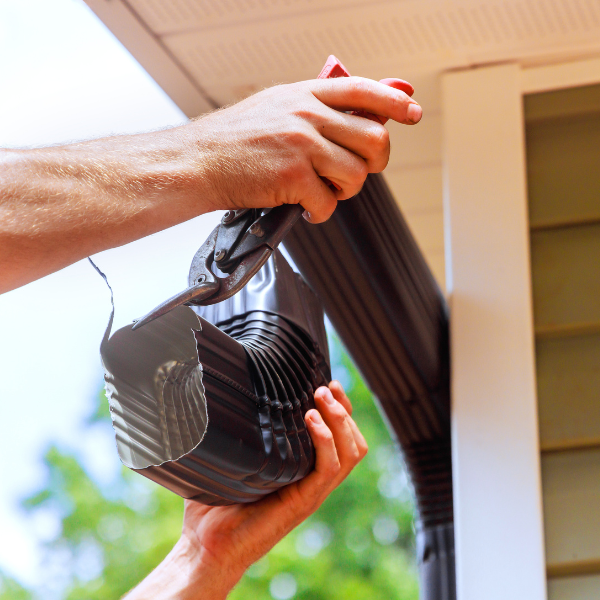
Exterior paint near your gutters is designed to withstand the elements, so peeling or bubbling paint is often a sign of excess moisture. Similarly, rust spots on metal gutters indicate that water is not draining properly and is sitting in the system for too long. Both of these signs suggest your gutters are failing to do their job and may need repair or replacement.
Water Marks or Mildew Around the Home
Dark streaks, water stains, or mildew growth on your siding can indicate that water is escaping from your gutters rather than being directed away. Over time, this moisture can damage your home’s exterior and lead to mold issues. These subtle signs are often easy to miss but are strong indicators that your gutter system isn’t functioning correctly.
Pooling Water Around the Foundation
After a rainstorm, check the area around your home’s foundation. If you notice standing water or soil erosion, your gutters may not be directing water far enough away. This is one of the most serious signs of gutter failure, as prolonged water exposure can lead to foundation cracks, basement leaks, and structural issues.
Plants or Debris Growing in Gutters
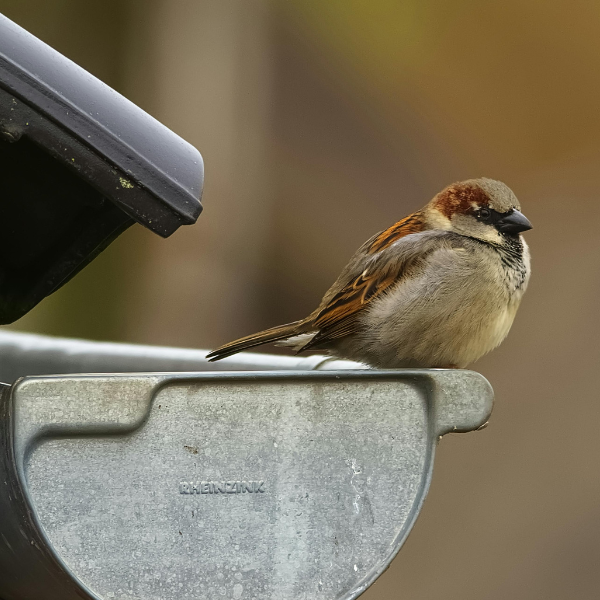
If you see plants, grass, or heavy debris buildup in your gutters, it’s a clear sign they haven’t been properly maintained. Organic matter traps moisture and blocks water flow, accelerating wear and tear on the system. Over time, this can cause gutters to sag, overflow, and eventually fail altogether.
The Bottom Line
Your gutters are your home’s first line of defense against water damage, and catching early signs of failure can save you time, money, and stress. From small cracks and sagging sections to overflow and foundation issues, these warning signs should never be ignored. Regular inspections and routine maintenance can help keep your gutter system functioning properly and protect your home for years to come.

Net Metering Explained: How You Get Credit for Solar Energy
If you’re considering solar panels, you’ve likely heard the term net metering. While it may sound technical,…
Signs Your Windows Are Costing You Money
Windows play a bigger role in your home’s energy efficiency than many homeowners realize. While they provide…
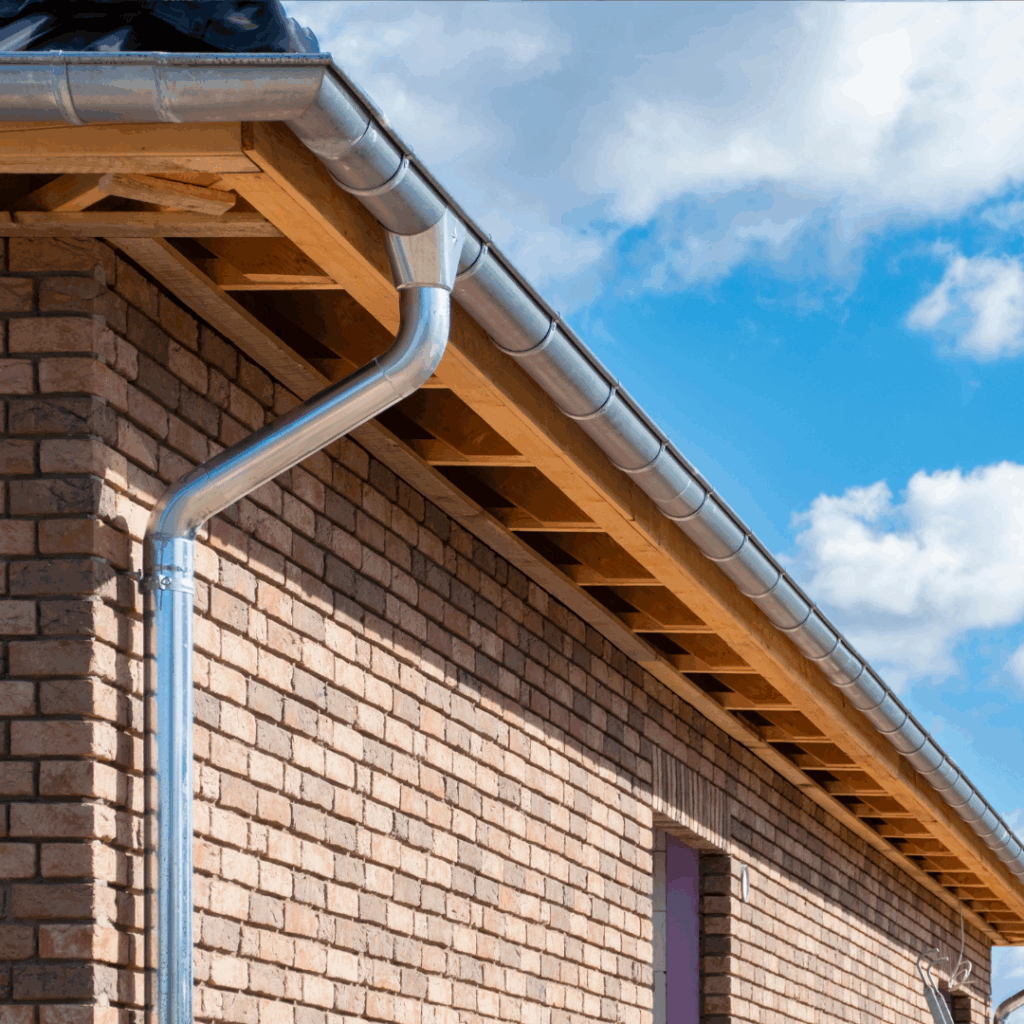
How to Spot Early Signs of Gutter Failure
Your gutters play a critical role in protecting your home from water damage, yet they’re often overlooked…