
Windows play a bigger role in your home’s energy efficiency than many homeowners realize. While they provide natural light and ventilation, outdated or poorly functioning windows can quietly drain your wallet. From higher energy bills to reduced comfort, inefficient windows often cost more over time than homeowners expect. The key is recognizing the warning signs early so you can take action before those costs continue to add up.
Rising Energy Bills Without Explanation
One of the most common signs your windows are costing you money is a steady increase in your energy bills. If your heating and cooling costs are climbing despite no major changes in usage, your windows may be the culprit. Poor insulation allows warm air to escape in the winter and hot air to enter in the summer, forcing your HVAC system to work harder. Over time, this increased workload translates directly into higher monthly expenses.
Drafts and Temperature Fluctuations
If you feel a draft near your windows—even when they’re closed—it’s a clear indication that air is leaking in or out. These drafts make it difficult to maintain a consistent indoor temperature, often leaving some rooms too hot while others feel too cold. Not only does this reduce comfort, but it also means your HVAC system has to run longer to compensate, increasing energy consumption and costs.
Condensation Between Glass Panes
Modern windows are typically double- or triple-pane with insulating gas sealed between the layers. If you notice condensation or fog forming between the panes, it likely means the seal has failed. Once that seal is compromised, the window loses much of its insulating ability, allowing heat transfer to occur more easily. This reduces efficiency and can lead to higher heating and cooling bills.
Difficulty Opening or Closing Windows
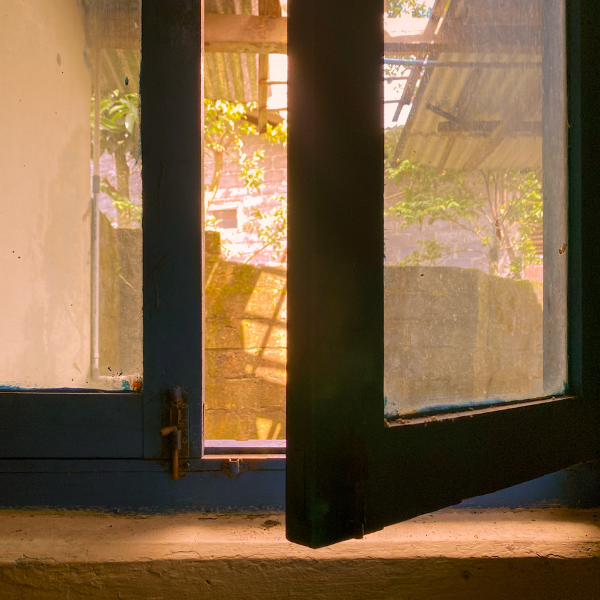
Windows that stick, won’t open easily, or fail to close tightly are more than just an inconvenience—they’re a sign of inefficiency. Gaps caused by improper sealing or warped frames allow air to leak in and out. This not only wastes energy but can also let in moisture and outdoor pollutants, further impacting your home’s comfort and air quality.
Fading Furniture and Flooring
If you’ve noticed your furniture, carpets, or flooring fading over time, your windows may not be providing adequate UV protection. Older windows often lack coatings that block harmful ultraviolet rays. While this may not seem like a direct cost, replacing faded or damaged items adds up, making inefficient windows more expensive than they appear.
Outside Noise Is More Noticeable
If you can clearly hear traffic, neighbors, or other outdoor noise, your windows may lack proper insulation. While this is often seen as a comfort issue, it also indicates that your windows aren’t effectively sealing your home from external elements. Poor insulation often means energy loss as well, contributing to higher utility bills.
Visible Damage or Aging
Cracked glass, rotting frames, chipped seals, or warped materials are all signs your windows are past their prime. Over time, exposure to weather takes a toll on window components, reducing their ability to insulate your home. Older windows, especially single-pane models, are far less efficient than modern options and can significantly increase energy costs.
The Bottom Line
Your windows may seem like a small part of your home, but their impact on your energy bills and overall comfort is significant. Drafts, rising utility costs, condensation, and visible wear are all signs that your windows may be costing you more than you realize. Upgrading to energy-efficient windows can help lower monthly expenses, improve comfort, and protect your home’s value. In many cases, the savings over time make window replacement a smart and worthwhile investment.
What Happens During a Professional Roof Inspection?
Your roof is one of the most important parts of your home, protecting everything beneath it from…
How Roof Color Impacts Energy Efficiency and Home Comfort
When choosing a new roof, most homeowners focus on materials and durability—but color plays a bigger role…
Gutter Maintenance Tips Every Homeowner Should Know
Gutters may not be the most noticeable feature of your home, but they play a critical role…