
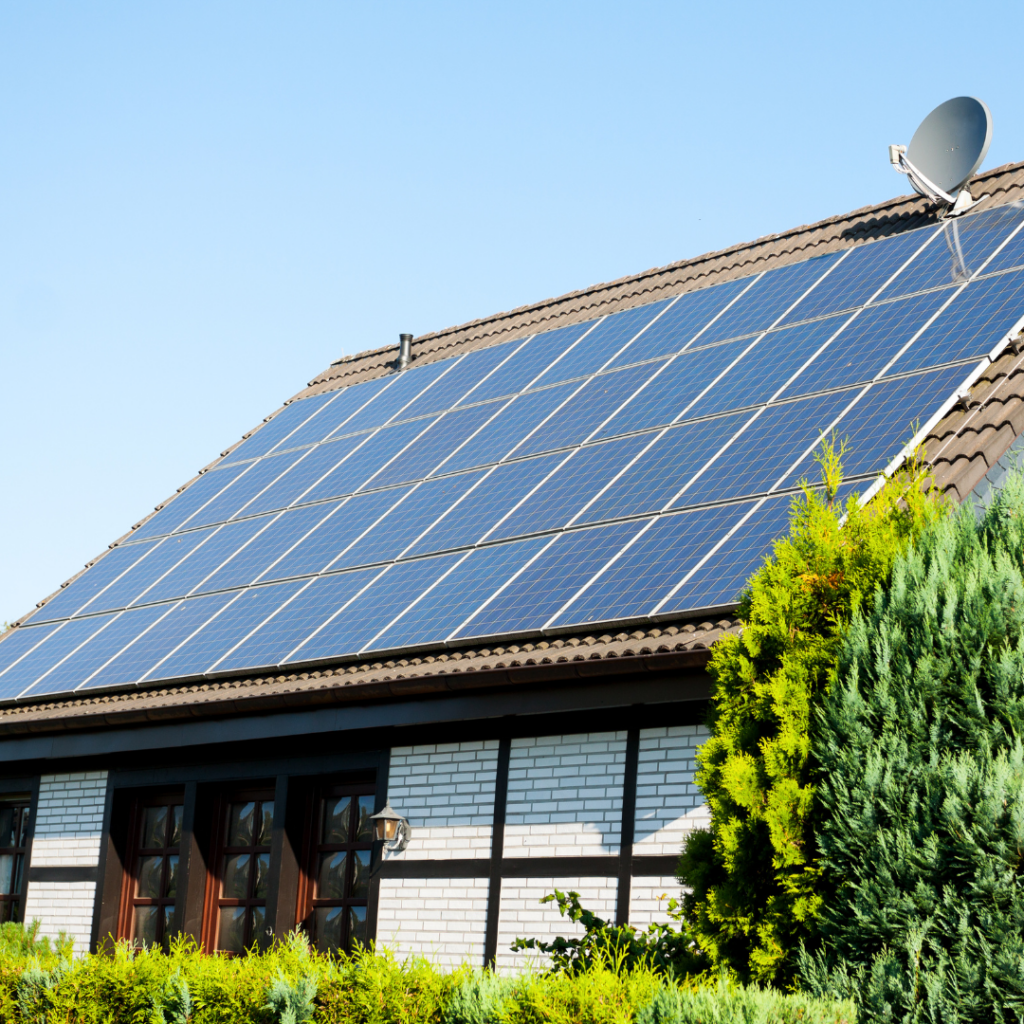
When investing in solar energy, efficiency is one of the most important factors to consider. But what does that mean, and how can you tell if solar panels are performing well?
Solar panel efficiency refers to how well a panel converts sunlight into usable electricity. The higher the efficiency, the more energy it produces from the same amount of sunlight. Most residential panels today range between 15% and 22% efficiency, with premium models reaching even higher. Choosing the right solar panels and monitoring their performance ensures you maximize your investment and enjoy lower energy bills for years.
Efficiency Rating
Each solar panel comes with a rated efficiency provided by the manufacturer. Panels with ratings above 20% are considered high-efficiency and may be ideal for smaller roofs where space is limited.
Real-World Performance
Efficiency isn’t just about lab numbers. A good installer will assess how much energy your system produces versus what it was expected to generate. Factors like shading, panel orientation, and local climate can impact performance.

Degradation Rate
All solar panels lose efficiency over time. High-quality panels degrade more slowly, losing less than 0.5% of output per year. Checking the warranty and performance guarantee helps you estimate long-term efficiency.
Inverter and System Health
Efficient panels won’t help if your system isn’t well-maintained. Regular checks of inverters, wiring, and connections ensure your panels operate at peak efficiency.
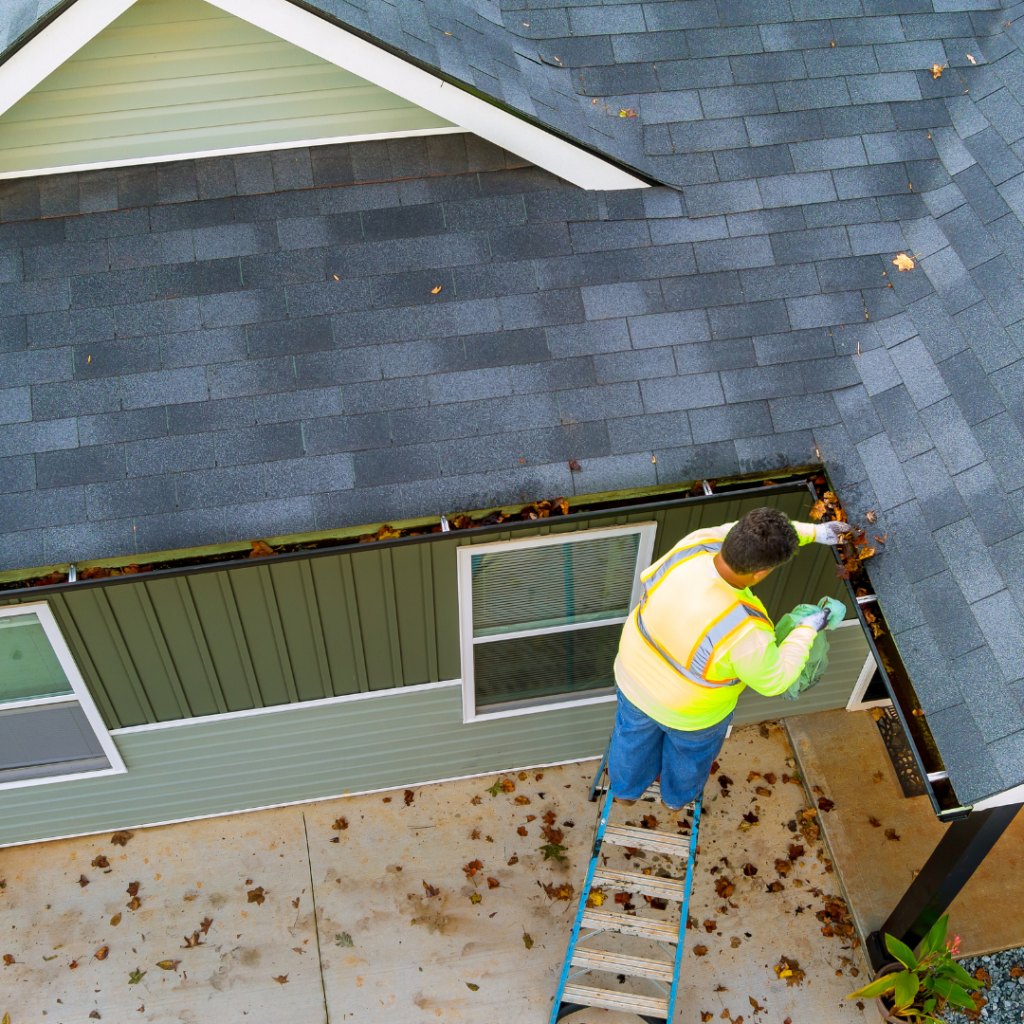
What Happens During a Professional Roof Inspection?
Your roof is one of the most important parts of your home, protecting everything beneath it from…
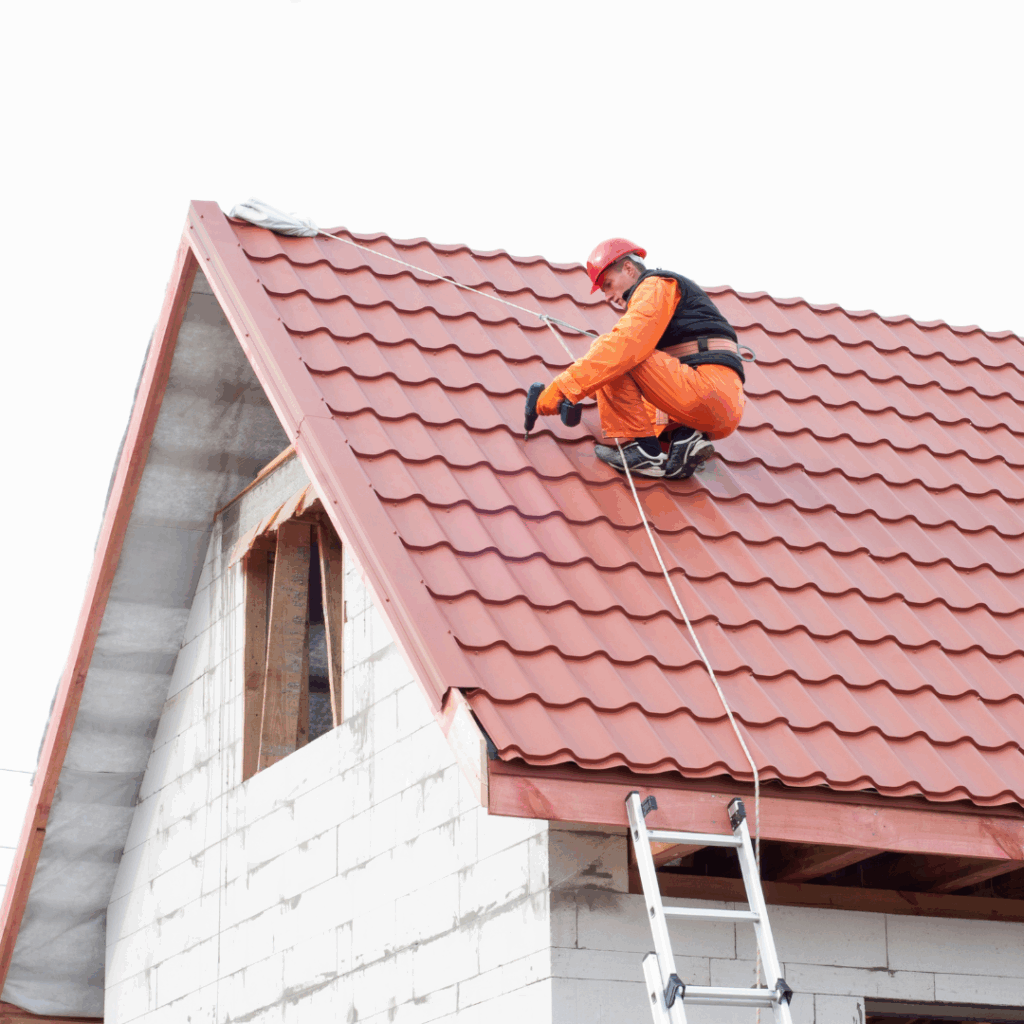
How Roof Color Impacts Energy Efficiency and Home Comfort
When choosing a new roof, most homeowners focus on materials and durability—but color plays a bigger role…
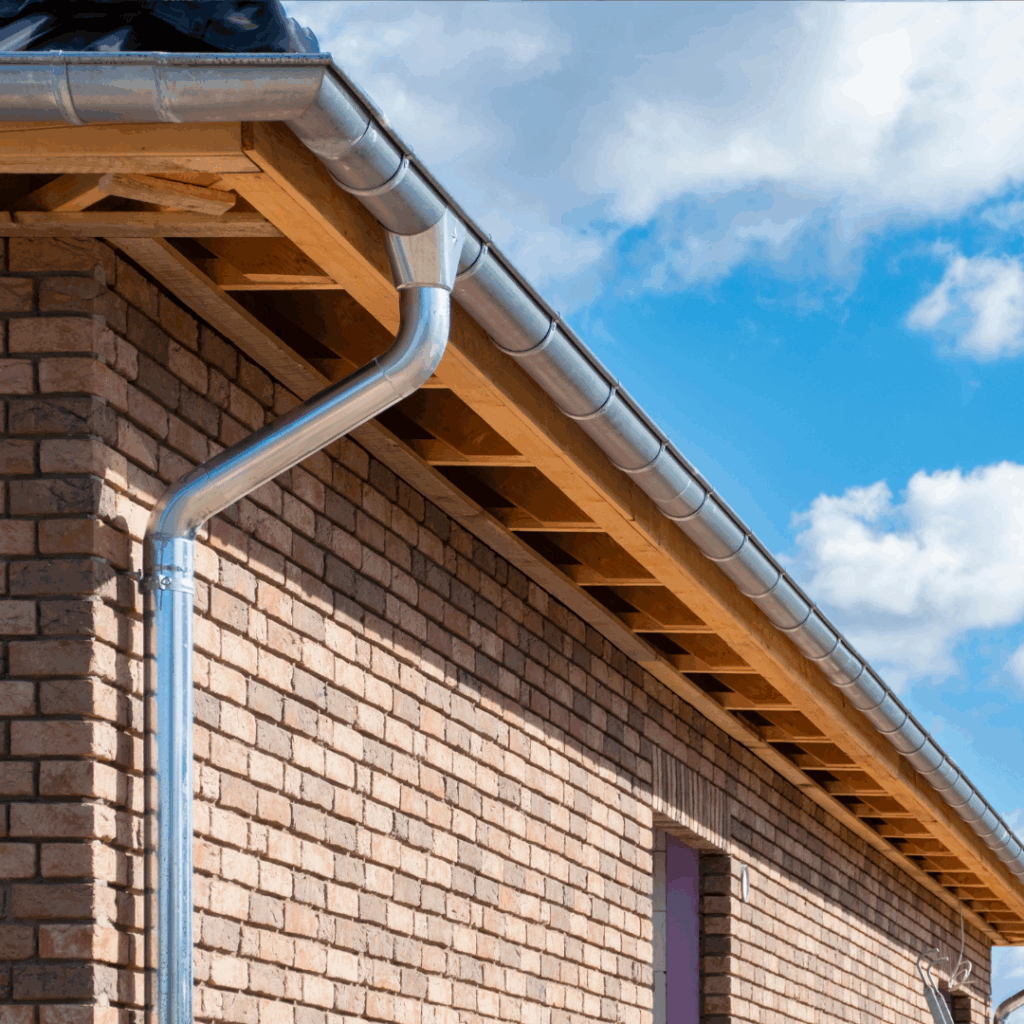
Gutter Maintenance Tips Every Homeowner Should Know
Gutters may not be the most noticeable feature of your home, but they play a critical role…